2 important points:
One- 7K or 10K or 12K.... & brakes
Your Bronco isn't going to fall thru the decking because it's 7k or 12K. Hundreds of us towing with 7K trailers have proven that the axles and bearings can take the load. I check my brgs every spring AND if I tow over 7-8,000 miles that year I check them again in the fall.
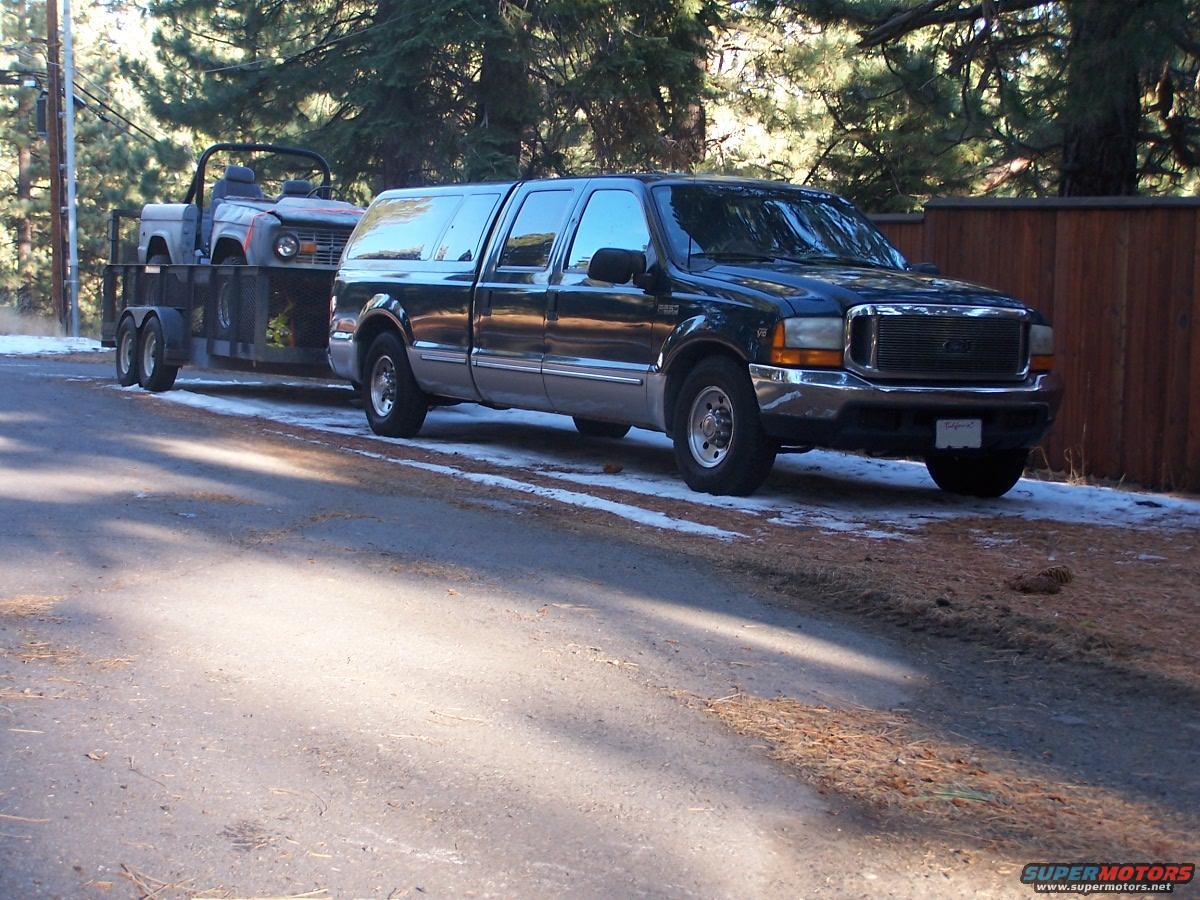
Here's the main difference- Braking capacity. This is where you'll notice the difference between the trailers. My 7K rated trailer came new out of the Midwest with brakes on only one axle. After one trip with a half ton Dodge truck towing it I put brakes on the other axle! Freakin' scary when it couldn't stop going down a grade that wasn't very steep. Also bought a 3/4ton truck. Perfect combo for decades of worry free towing. You NEED excellent brakes, the largest you can get on your 7K trailer. Newer half ton trucks must have 3X the braking capacity of '90's and earlier 1/2 tons. My 2018 F150 towing the Bronco locally is totally night and day for braking and lack of brake fade. (MPG drops by 11mpg when towing the Bronco with it tho)

Two- trailer tongue sweet spot- someone mentioned this already. This is the key to safe towing (along with brakes).
You should weigh your tongue weight after checking towing performance & handling as a reference, not only for hitch weight safety but as ballpark tongue weight capacity. Figure out where your Bronco needs to be strapped down for no sway, great handling and then MARK that spot on your trailer fender with a rivet to make it easy to load up perfectly every single time. I align my door hinges with the rivet on my trlr
fender. LLike already mentioned the sweet spot on a 7K trailer is only a foot or so before you will REALLY notice your trailer behind you. No surprises with the rivet. I weighed my trailer tongue on my bridge (only 50' of flat level hard ground I have). The local scale wasn't accurate under 700# they said.