studiodrive
New Member
- Joined
- Aug 22, 2026
- Messages
- 8
Hi all,
I usually restore vintage motorcycles and karts, but recently I started considering taking on a car restoration. An early Bronco came up for sale locally, and since it’s a vehicle I’ve always wanted to own at some point, I decided to go and have a look.
I’m completely new to early Broncos, so before getting too far into the project I’d like to learn as much as possible about what is original, what may have been changed over the years, and what would be correct if I decide to restore it.
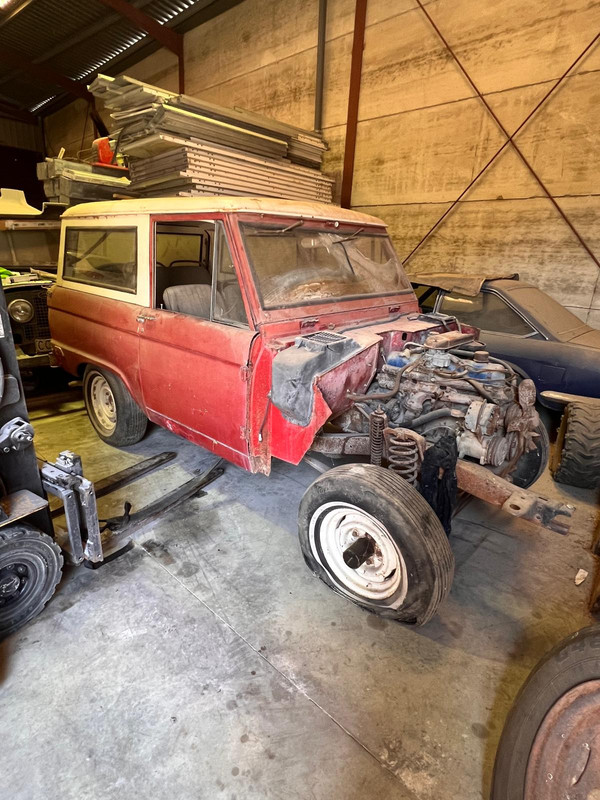
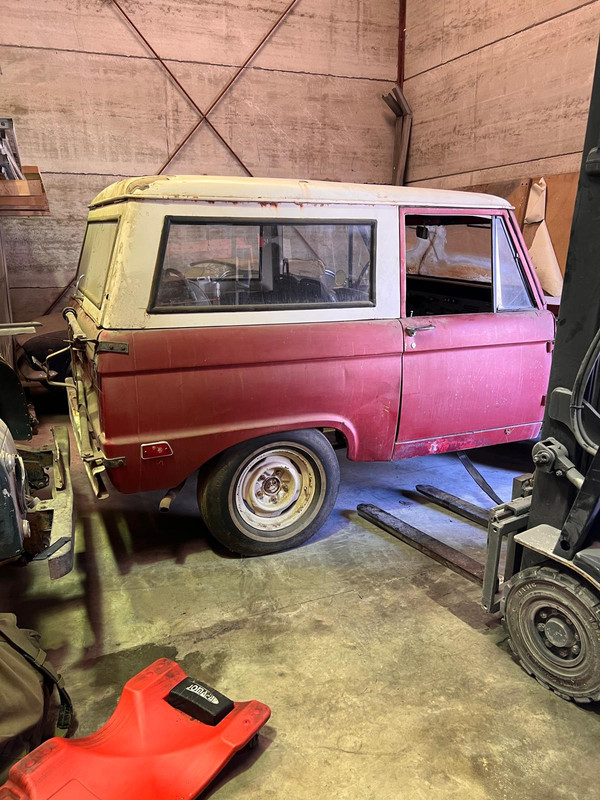
The truck is a February 1966 wagon and, overall, the body is very solid and rust-free. Unfortunately, it was involved in a front-end collision at some point. Someone apparently started repairing it, but the front bodywork was cut away and the project was never finished. From what I can see, the frame rails appear to be OK.
Budd Body
I’ve been reading through the forum and have seen quite a few discussions about the term "Budd body," which seems to be somewhat controversial. I’d like to understand which features can actually be used to distinguish one of these early bodies from a later production body.
The truck no longer has its original grille, so I have no way of knowing whether it was originally an eyebrow grille truck. Is a February 1966 Bronco early enough that it could have been one? Is there any other way to determine this from the body or VIN?
A few of the features I’ve noticed are:
Modifications and possibly incorrect parts
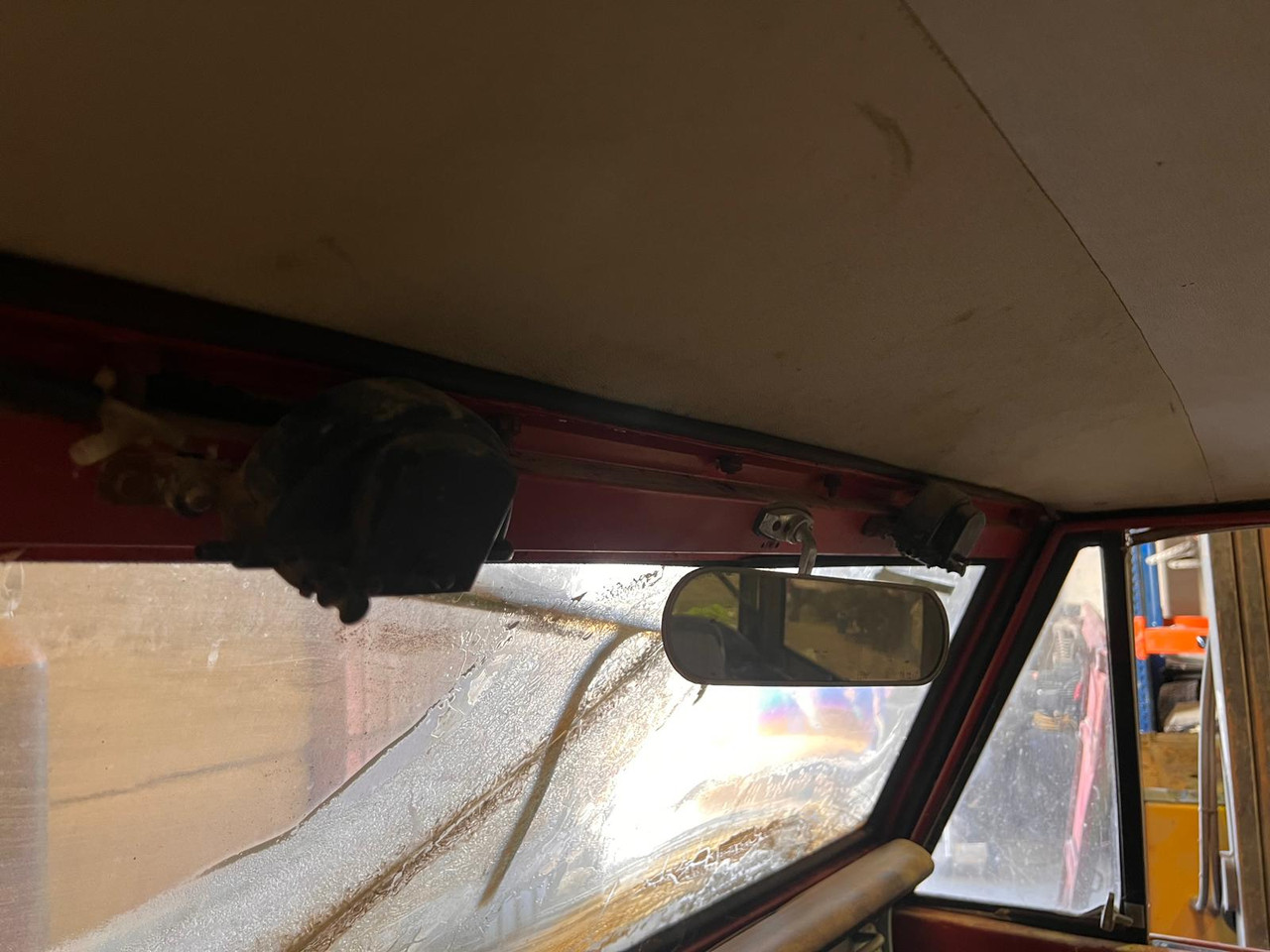
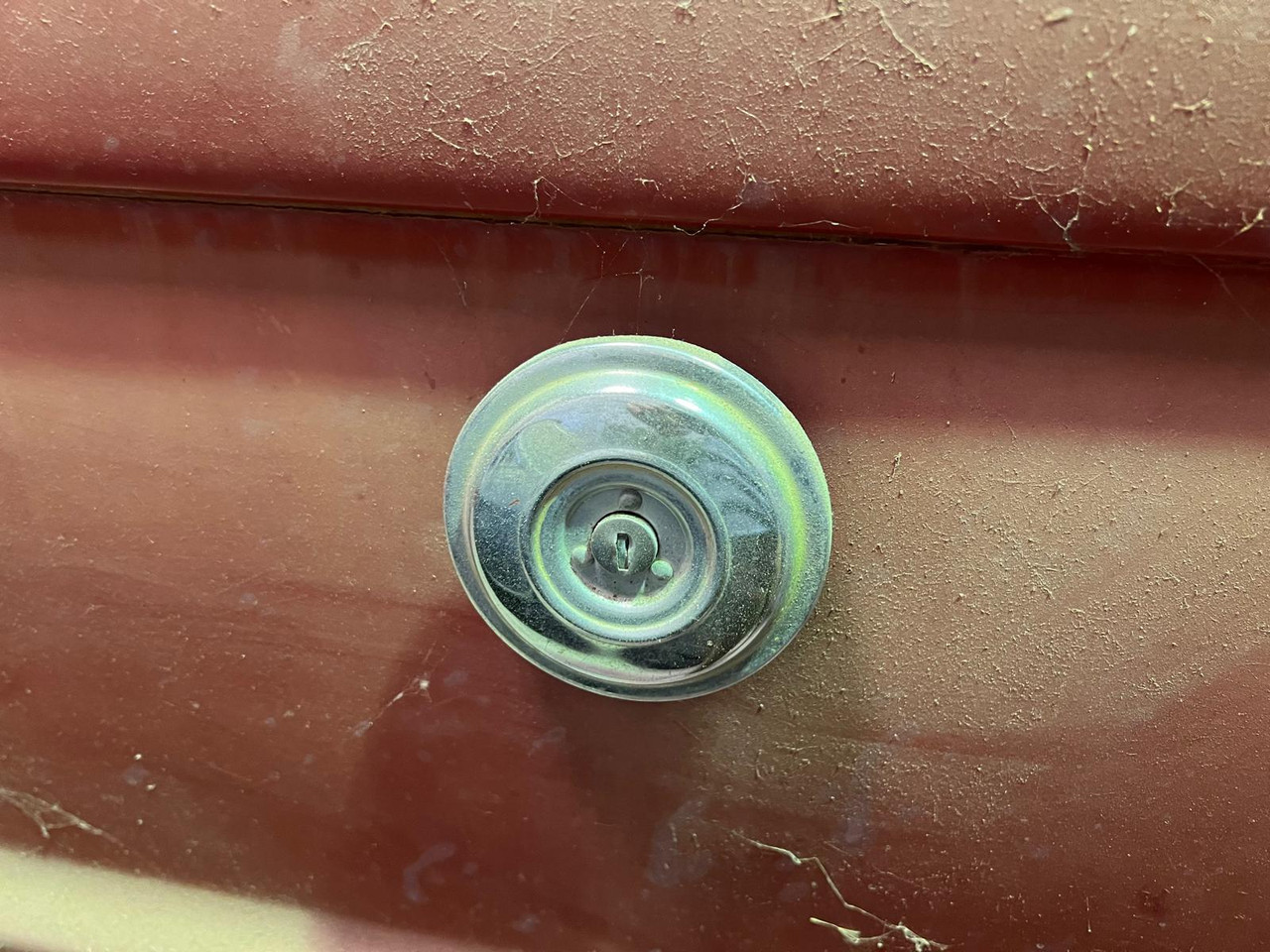
The truck has had a few modifications over the years. From what I’ve read here, the hard top appears to be from a later Bronco, as the rear handle and lock are a single unit.
It also has an external spare tire carrier. It looks a little crude and possibly homemade, but after searching around I wonder if it could be a Kayline unit. If so, would that have been a period-correct aftermarket accessory for a 1966 Bronco?
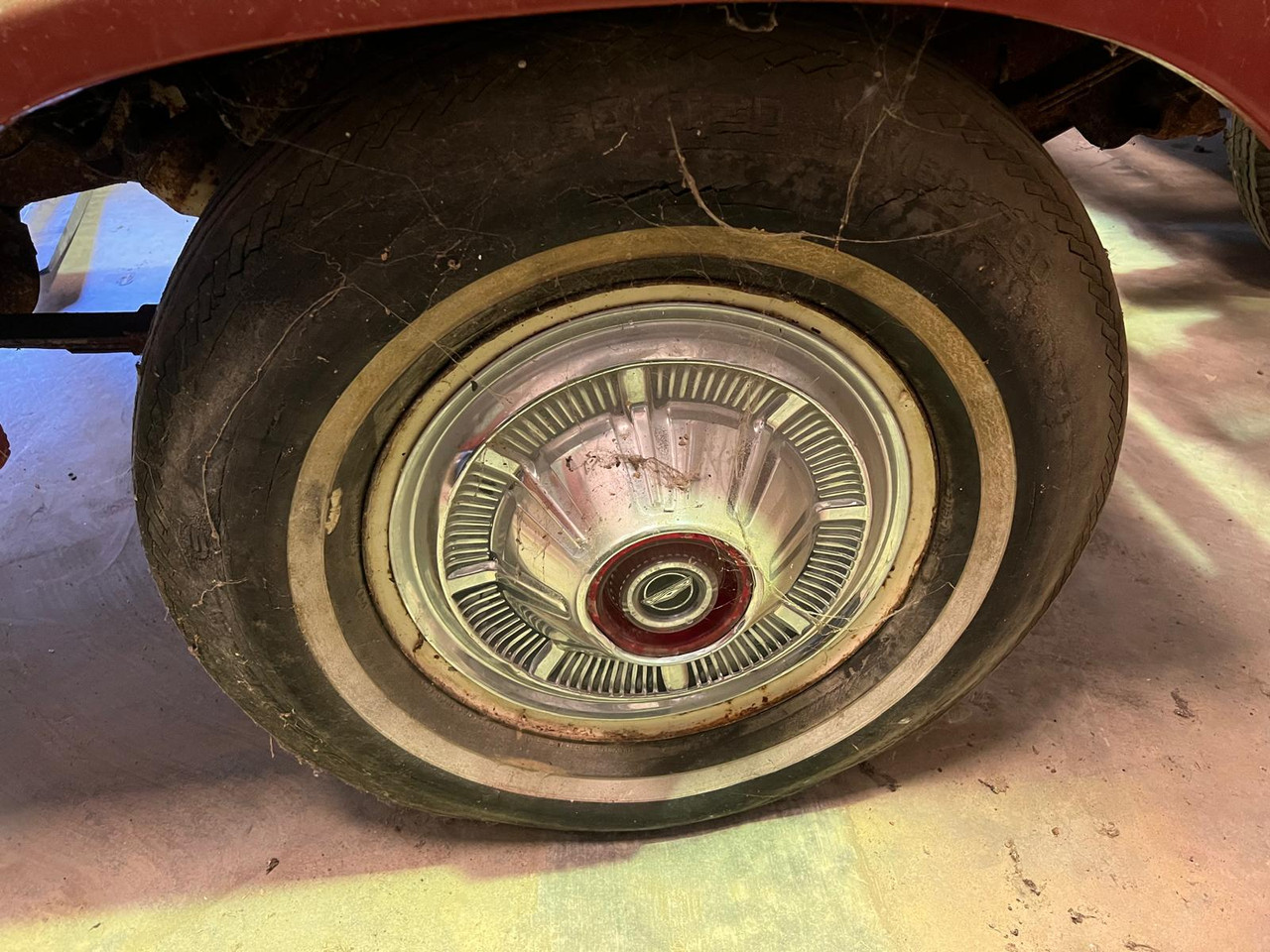
The wheel covers are also the later style rather than the early 1966 type. Were these fitted to later 1966 Broncos, or are they definitely from a later model?
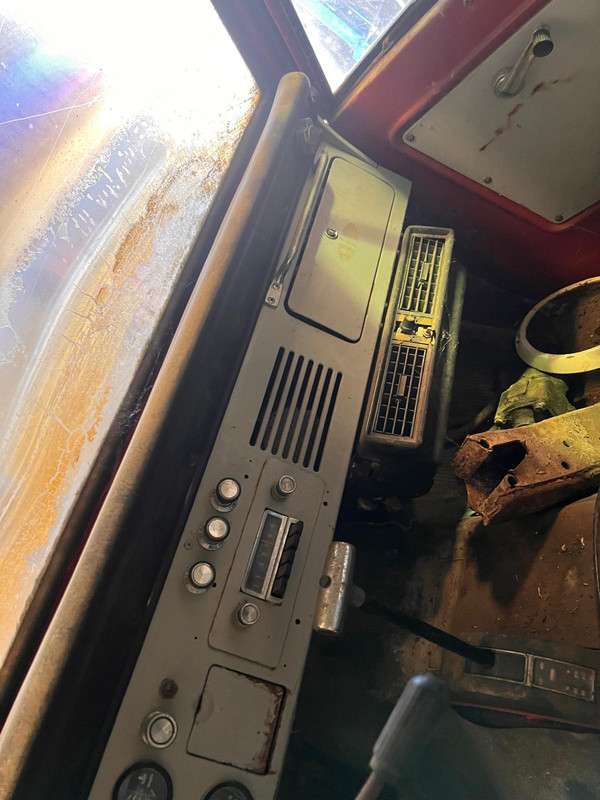
There is also an aftermarket A/C unit mounted on the cowl. It looks like something specifically designed for the Bronco, as it fits the shape of the cowl very well. Apart from that, the truck is mostly stock, aside from a more modern radio and a pair of universal reverse lights added at the rear.
VIN, seating and bulkhead
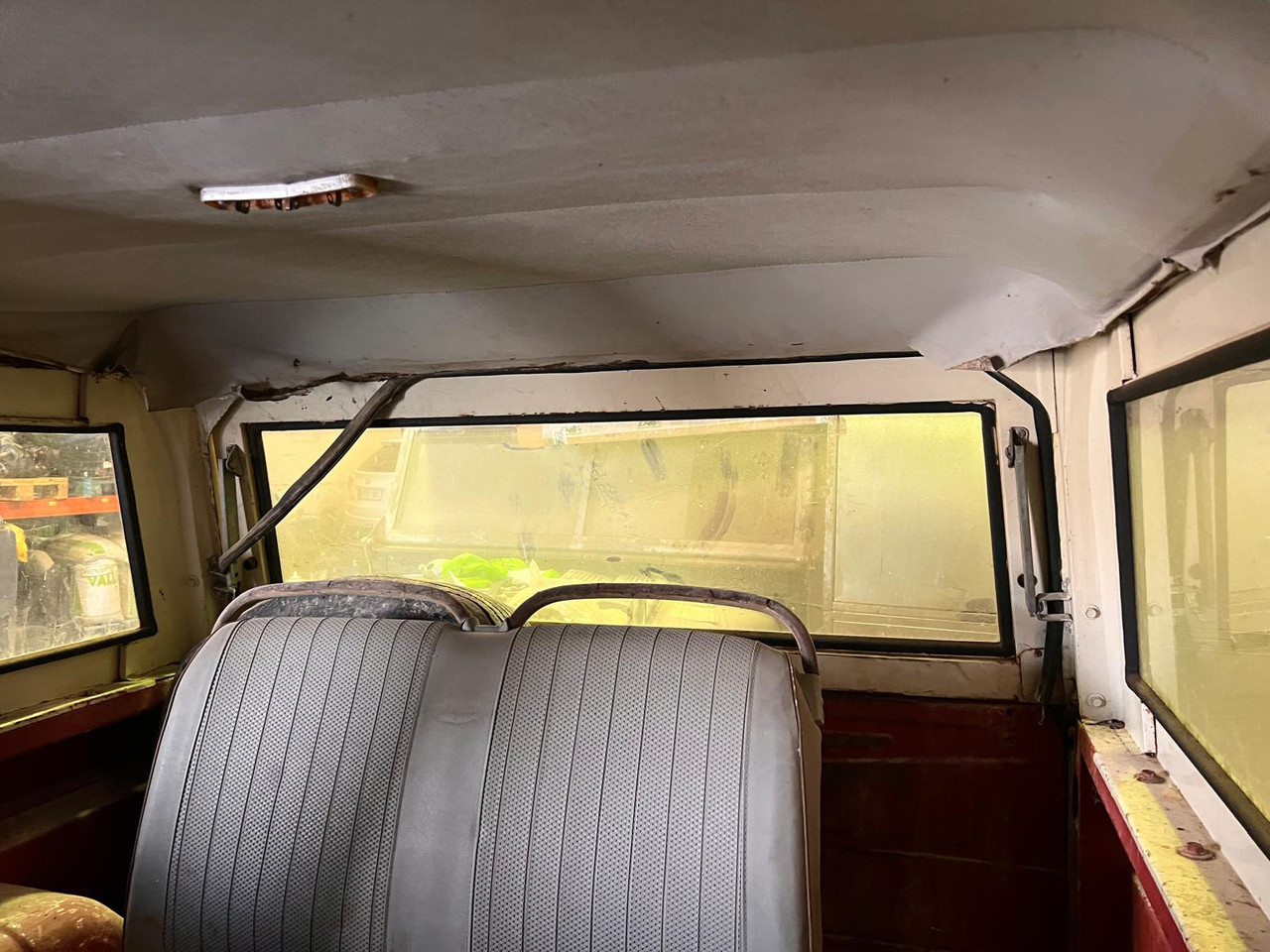
The VIN plate shows a body code of 198, which, from what I’ve been able to find, indicates a bench-seat truck. However, there is no bulkhead fitted. Was it possible to order a Bronco with a front bench seat and without a bulkhead?
The truck is also registered as a two-seater, and there is a second spare wheel mounted inside against the tailgate. This makes me wonder if it may have originally been configured without a bulkhead, but I’m not sure if that was a factory option or something changed later in its life.
DSO 91
Finally, I’m also curious about the DSO number. From what I’ve found, DSO codes above 90 are often associated with export vehicles, but I haven’t been able to find a complete explanation of what each number represents. This Bronco has DSO 91. Does anyone know what destination or district that would correspond to, or where I could find a complete list of the early DSO codes?
I know that’s quite a few questions for a first post, but I’ve really enjoyed reading through the forum so far and I’m trying to understand exactly what I have before deciding how far to take the restoration.
Any information, corrections or observations would be greatly appreciated.
Thanks!
Joan
I usually restore vintage motorcycles and karts, but recently I started considering taking on a car restoration. An early Bronco came up for sale locally, and since it’s a vehicle I’ve always wanted to own at some point, I decided to go and have a look.
I’m completely new to early Broncos, so before getting too far into the project I’d like to learn as much as possible about what is original, what may have been changed over the years, and what would be correct if I decide to restore it.
The truck is a February 1966 wagon and, overall, the body is very solid and rust-free. Unfortunately, it was involved in a front-end collision at some point. Someone apparently started repairing it, but the front bodywork was cut away and the project was never finished. From what I can see, the frame rails appear to be OK.
Budd Body
I’ve been reading through the forum and have seen quite a few discussions about the term "Budd body," which seems to be somewhat controversial. I’d like to understand which features can actually be used to distinguish one of these early bodies from a later production body.
The truck no longer has its original grille, so I have no way of knowing whether it was originally an eyebrow grille truck. Is a February 1966 Bronco early enough that it could have been one? Is there any other way to determine this from the body or VIN?
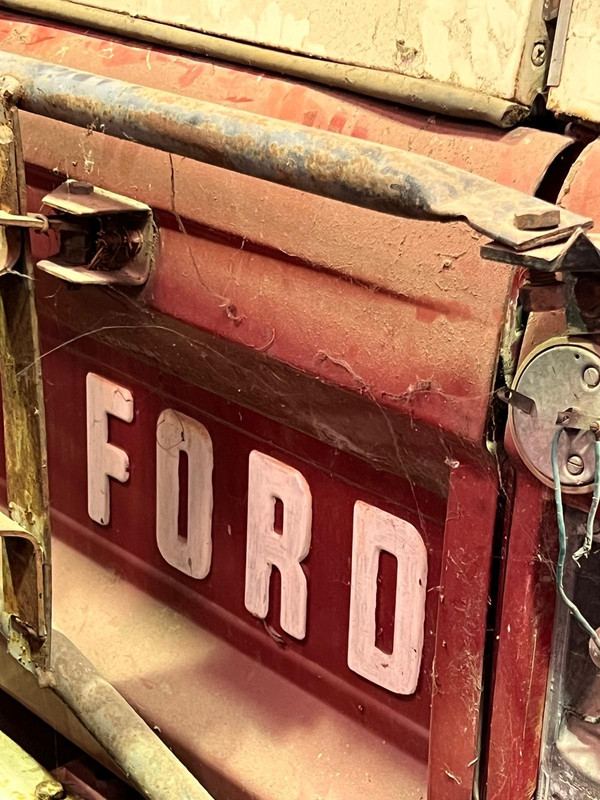
A few of the features I’ve noticed are:
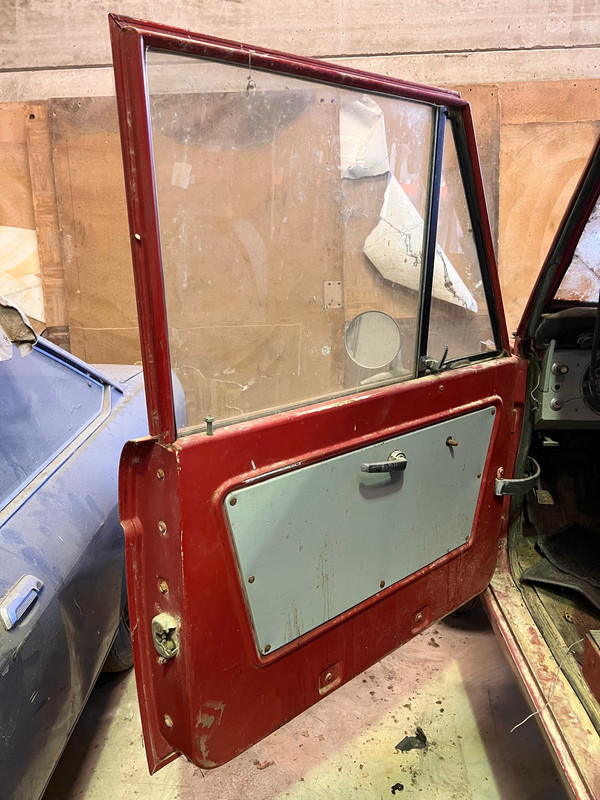
- The tailgate has the ridge running from one end to the other.
- The door sills do not have the recessed area for the Ford logo
Modifications and possibly incorrect parts
The truck has had a few modifications over the years. From what I’ve read here, the hard top appears to be from a later Bronco, as the rear handle and lock are a single unit.
It also has an external spare tire carrier. It looks a little crude and possibly homemade, but after searching around I wonder if it could be a Kayline unit. If so, would that have been a period-correct aftermarket accessory for a 1966 Bronco?
The wheel covers are also the later style rather than the early 1966 type. Were these fitted to later 1966 Broncos, or are they definitely from a later model?
There is also an aftermarket A/C unit mounted on the cowl. It looks like something specifically designed for the Bronco, as it fits the shape of the cowl very well. Apart from that, the truck is mostly stock, aside from a more modern radio and a pair of universal reverse lights added at the rear.
VIN, seating and bulkhead
The VIN plate shows a body code of 198, which, from what I’ve been able to find, indicates a bench-seat truck. However, there is no bulkhead fitted. Was it possible to order a Bronco with a front bench seat and without a bulkhead?
The truck is also registered as a two-seater, and there is a second spare wheel mounted inside against the tailgate. This makes me wonder if it may have originally been configured without a bulkhead, but I’m not sure if that was a factory option or something changed later in its life.
DSO 91
Finally, I’m also curious about the DSO number. From what I’ve found, DSO codes above 90 are often associated with export vehicles, but I haven’t been able to find a complete explanation of what each number represents. This Bronco has DSO 91. Does anyone know what destination or district that would correspond to, or where I could find a complete list of the early DSO codes?
I know that’s quite a few questions for a first post, but I’ve really enjoyed reading through the forum so far and I’m trying to understand exactly what I have before deciding how far to take the restoration.
Any information, corrections or observations would be greatly appreciated.
Thanks!
Joan